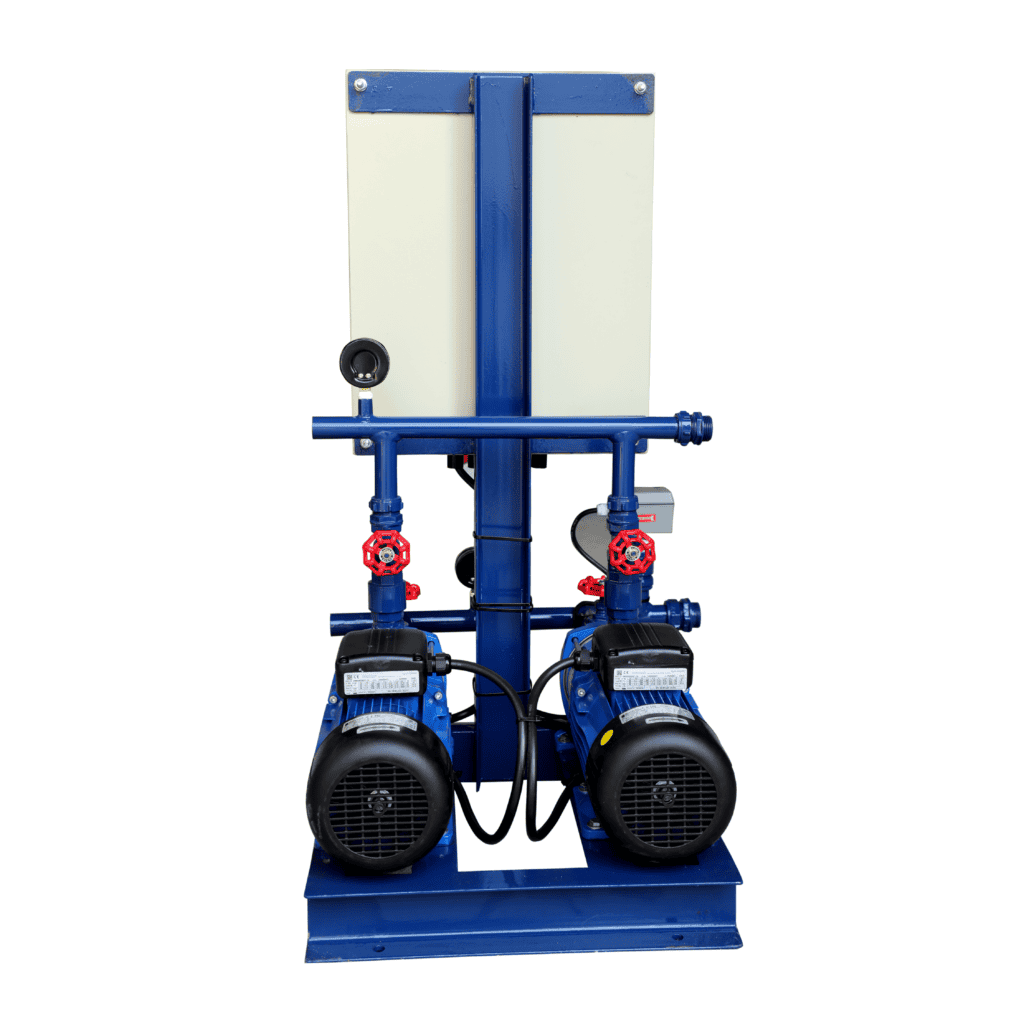
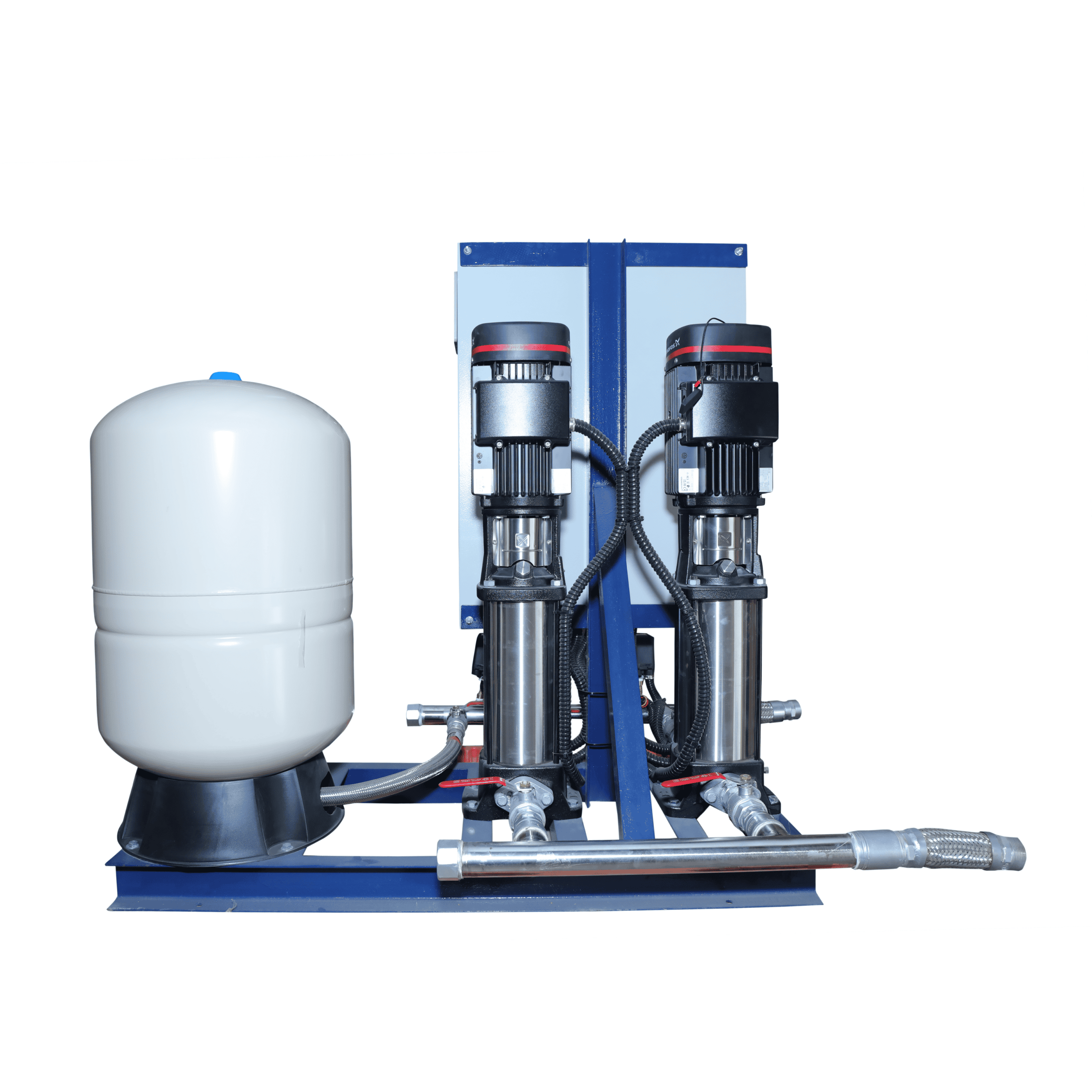
Chilled Water Pumps

About Chilled Water Pumps

Cooling is the largest energy load in most UAE buildings, and chilled water pumps run for most of the year. Correct pump selection and control has a direct effect on running costs and on how well the building is cooled.

Lifeline supplies chilled water and condenser water pumps for buildings served by their own chillers and for buildings connected to district cooling.
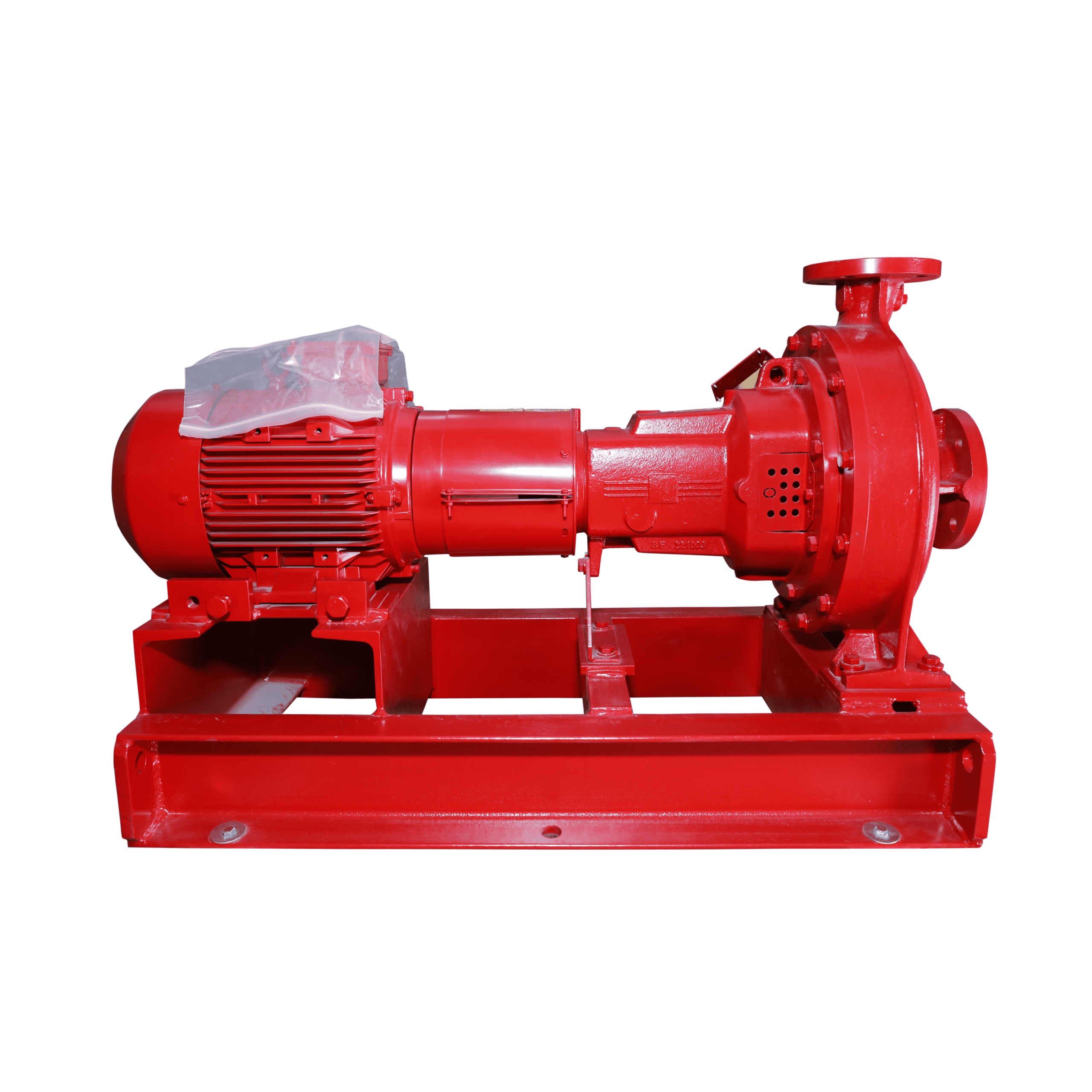
Pumping arrangements

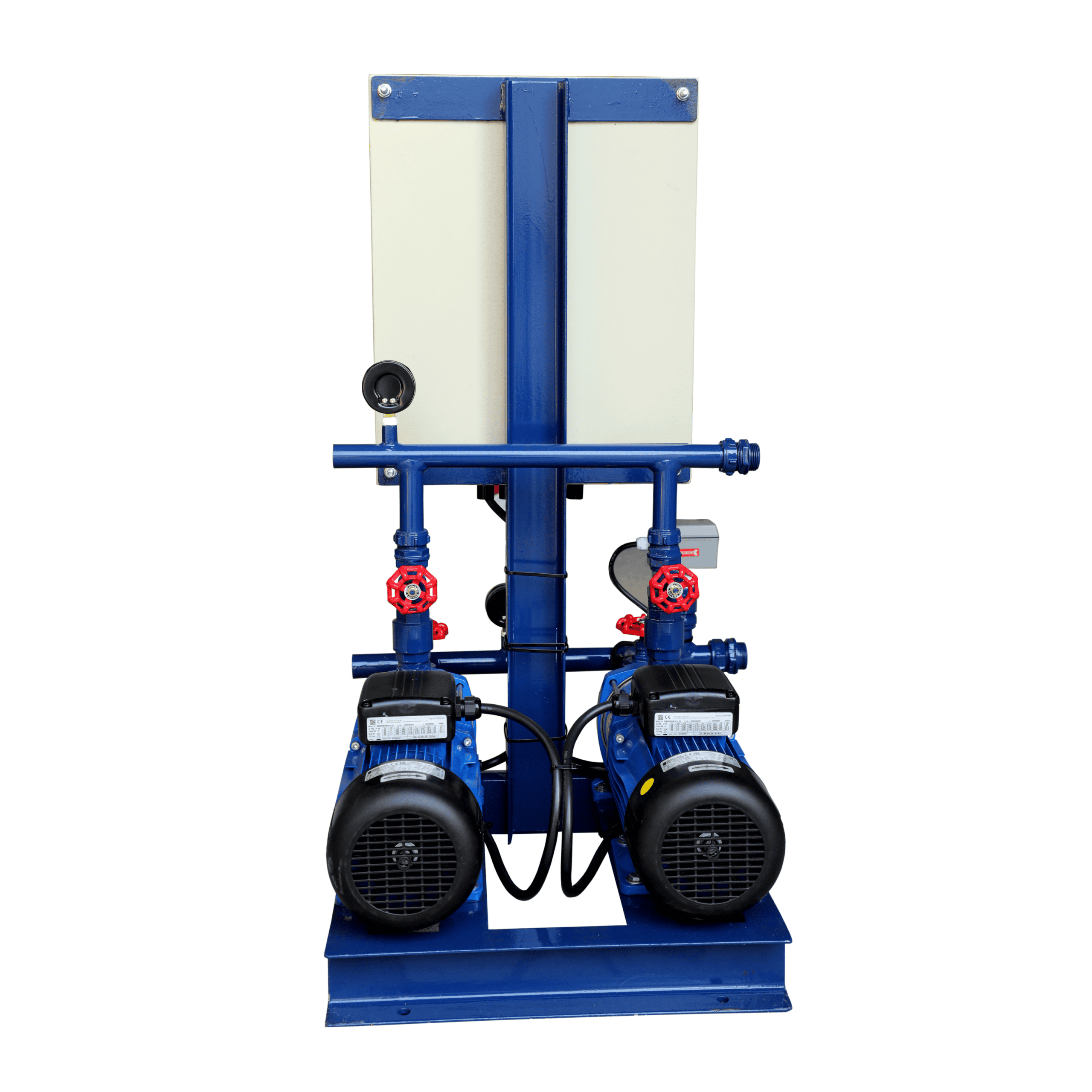
Primary pumps circulate water through the chillers at the flow each chiller needs.

Secondary pumps distribute chilled water from the plant to air handling units and fan coils, usually at variable flow controlled by differential pressure.

Variable primary flow systems use one set of pumps with VFDs to serve both chillers and the building, reducing pump count and energy use.

Condenser water pumps circulate water between water cooled chillers and cooling towers.

District cooling connections use secondary pumps on the building side of the energy transfer station heat exchangers.

Pump types

  • Inline pumps for smaller flows and where plant room space is tight
  • End suction pumps for general duties
  • Split case pumps for high flows in large plants and district cooling
  • Vertical multistage pumps where high head is needed at moderate flow

All can be supplied with variable frequency drives for speed control.

Serving the Construction Industry with Trust and Expertise for Over 20 Years.

Selection points

  • Flow from the cooling load and design temperature difference (delta T)
  • Head from the index circuit, including coils, control valves, heat exchangers and pipework
  • Selection close to the best efficiency point at the operating condition, not only at full load
  • Motor rated for continuous operation at high plant room temperatures
  • Suction diffusers, triple duty valves and strainers matched to the pump. See suction diffusers and triple duty valves.

Saving energy with variable speed

Pump power falls roughly with the cube of speed. A secondary pump running at 80% speed uses about half the power it uses at full speed. Most chilled water systems run at part load for most of the year, so VFD control usually pays back quickly. Low delta T in a building is a common sign of excess pump flow; correcting it reduces both pumping and chiller energy. See VFD retrofit.

Frequently Asked Questions

Common questions about chilled water pumps.

Primary pumps serve the chillers; secondary pumps serve the building. In a primary/secondary system, the two circuits are hydraulically separated by a decoupler.

The temperature difference between supply and return water. Design values are often 5 to 6°C. A lower actual delta T means more water is being pumped for the same cooling.

For secondary and variable primary systems, yes. VFDs let the pumps match flow to demand and reduce energy use significantly.

Allow straight pipe runs at pump suction, access for maintenance, and space for strainers and valves. See chilled water pump room layout.

Request a selection

Send your cooling load, delta T, index circuit losses and plant layout, and we will propose pumps and controls. Contact Lifeline.

Related reading: Pumps for HVAC and district cooling · What is a chiller?

Get A Free Quote

Lifeline delivers reliable and energy-efficient water management and solar heating solutions customized for residential, commercial, and industrial projects across the UAE.

    Blog & Latest News

    Pressure Switch for Water Pumps: Settings and TroubleshootingPumping Systems

    Pressure Switch for Water Pumps: Settings and Troubleshooting

    How a water pump pressure switch works, how to set cut-in and cut-out pressures and…
    How Long Does a Water Pump Last?Pumping Systems

    How Long Does a Water Pump Last?

    Typical service life of building water pumps, what shortens it in UAE conditions, and the…
    Pump Cavitation: Causes, Signs and PreventionPumping Systems

    Pump Cavitation: Causes, Signs and Prevention

    What pump cavitation is, how to recognise it, what causes it in building and HVAC…