Circulation Pumps

About Circulation Pumps

A circulation pump moves water around a closed or semi-closed loop. It does not lift water to a height; it overcomes the friction of the pipework so that water keeps moving through heaters, chillers, coils and return lines.

Lifeline supplies circulation pumps for domestic hot water, solar water heating, heat pump, chilled water and process cooling loops.
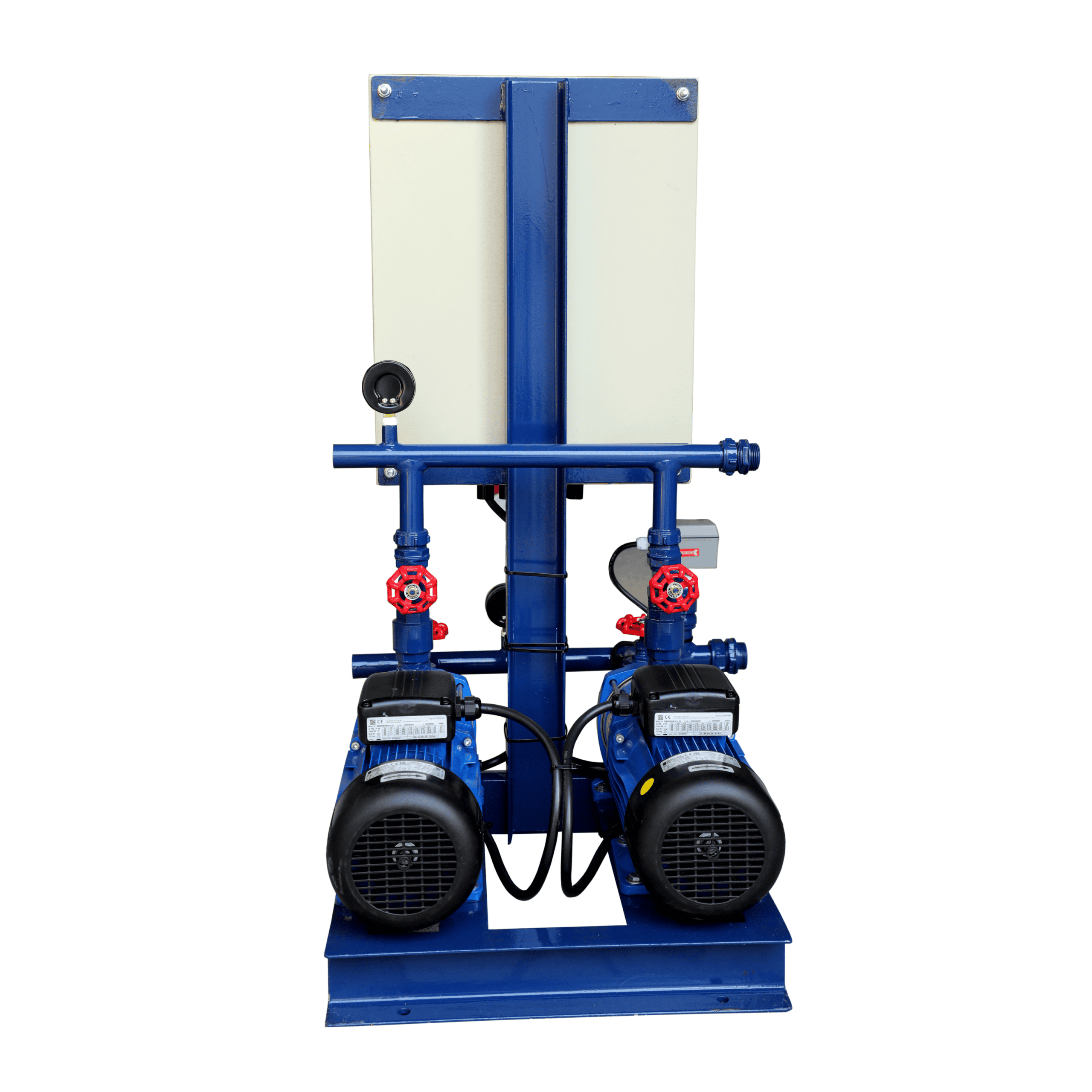
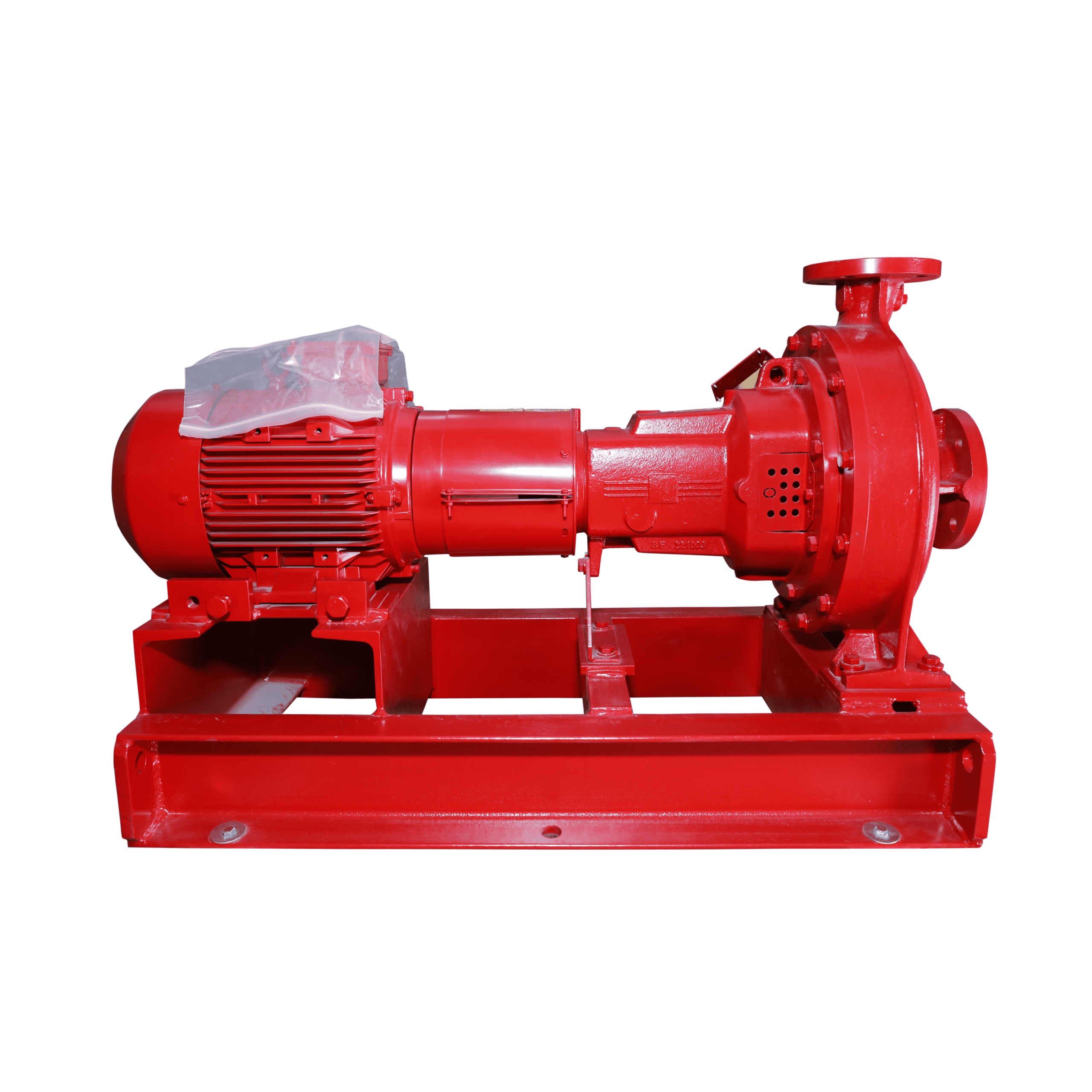
Where circulation pumps are used

Domestic hot water return. In hotels, hospitals and large villas, hot water left standing in long pipes cools down. A return loop with a circulation pump keeps hot water close to every outlet, so users get hot water quickly and less water is wasted. See hot water circulation pumps.

Solar and heat pump loops. Pumped solar water heaters and heat pumps use a circulation pump to move water between the collector or heat pump and the storage cylinder.

Chilled water and heating circuits. Smaller HVAC circuits, fan coil zones and secondary loops use inline circulators. Larger plants use chilled water pumps.

Process loops. Cooling for equipment, moulds and laboratories.

Types of circulation pump

Wet rotor circulators. The motor rotor runs in the pumped water, so there is no shaft seal to leak. Quiet and low maintenance, used for small to medium loops. Many models have electronic speed control.

Dry rotor inline pumps. A standard motor with a mechanical seal, mounted inline. Used for higher flows and pressures.

Serving the Construction Industry with Trust and Expertise for Over 20 Years.

Selecting a circulation pump

We size circulation pumps from:

  • Flow rate, based on the heat load and the temperature difference across the loop, or on the heat loss of the hot water return
  • Head, calculated from the friction losses in the longest loop including fittings, valves and heat exchangers
  • Water temperature, which sets the seal and material choice
  • Water quality: for potable hot water, bronze or stainless steel pump bodies are used to avoid corrosion

An oversized circulation pump wastes energy and can cause noise and erosion in pipework. Variable speed circulators adjust to the actual demand and are the efficient choice for most systems.

Frequently Asked Questions

Common questions about circulation pumps.

It keeps water moving around a loop so heat or cooling is delivered where it is needed, and so hot water is available quickly at outlets.

It can, but a timer or temperature control reduces energy use by running the pump only when the return water cools below a set point or during occupied hours.

A circulation pump overcomes friction in a loop. A booster pump raises the pressure of water supplied to outlets.

Yes, if it has a bronze or stainless steel body and is approved for potable water. Cast iron bodies are for closed heating and cooling circuits only.

Request a selection

Send the loop type, flow rate, pipe lengths and water temperature, and we will recommend a pump. Contact Lifeline.

Related reading: What is a circulation pump and where is it used?

Get A Free Quote

Lifeline delivers reliable and energy-efficient water management and solar heating solutions customized for residential, commercial, and industrial projects across the UAE.

    Blog & Latest News

    What Is a Circulation Pump and Where Is It Used?Pumping Systems

    What Is a Circulation Pump and Where Is It Used?

    How circulation pumps work, where they are used in hot water, solar, heat pump and…
    Transfer Pumps Explained: Applications in BuildingsPumping Systems

    Transfer Pumps Explained: Applications in Buildings

    What a transfer pump is, how transfer pump sets fill roof and intermediate tanks in…
    What Is a Dewatering Pump? Types and Uses on UAE SitesPumping Systems

    What Is a Dewatering Pump? Types and Uses on UAE Sites

    What a dewatering pump does, the main types used on UAE construction sites, how dewatering…