
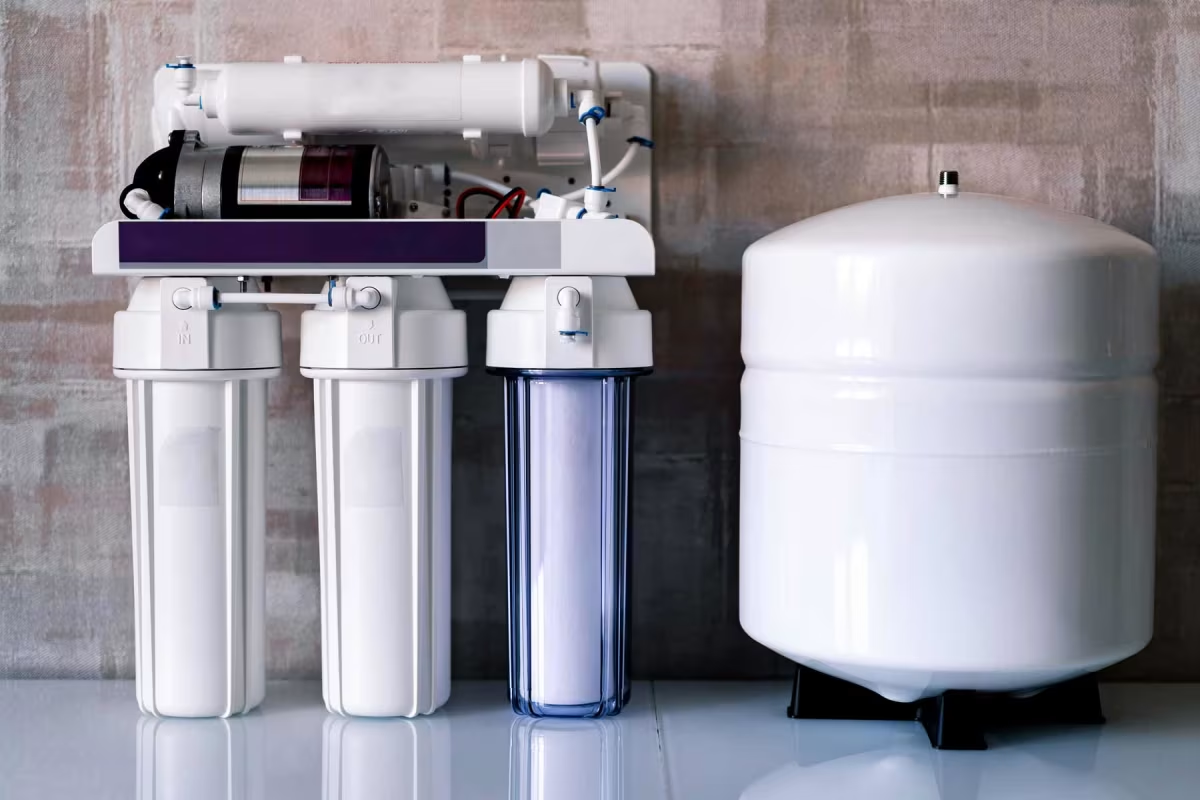
Comprehensive Guide to Residential Water Treatment Systems
Ensuring clean, safe, and great-tasting water at home is essential for every household. With rising concerns about contaminants and aging plumbing infrastructure, residential water treatment systems have become more important than ever. This guide explains how filtration, softening, and UV purification work together to improve water quality, the contaminants they target, and how to choose and maintain the right system for your home.
Why Water Treatment Matters
Even treated municipal water can contain impurities from pipes, storage tanks, or natural sources. Common issues include:
-
Sediment and rust
-
Chlorine and chemical residues
-
Hard water minerals (calcium & magnesium)
-
Microbial contaminants
-
Bad taste and odor
A well-designed residential water treatment setup ensures healthier water for drinking, cooking, bathing, and cleaning.
1. Water Filtration: The First Layer of Protection
Filtration systems remove physical particles and chemical contaminants.
Types of Water Filters
• Sediment Filters:
Remove sand, rust, and dirt. Essential as a pre-filter to protect other equipment.
• Carbon Filters:
Reduce chlorine, pesticides, VOCs, and improve taste and odor.
• Reverse Osmosis (RO):
Eliminates dissolved solids, heavy metals, and up to 99% of contaminants, ideal for drinking water.
Why Filtration Matters
Filtration protects appliances, extends the life of softeners and UV systems, and ensures the water is free from harmful chemicals and particles before further treatment.
2. Water Softening: Tackling Hard Water Minerals
Hard water is common in many regions and can cause scale buildup, dry skin, and reduced appliance efficiency.
How Water Softeners Work
Softening systems use ion-exchange technology to replace hardness minerals (calcium and magnesium) with sodium or potassium. This prevents limescale formation in pipes, heaters, and fixtures.
Benefits of Water Softening
-
Longer lifespan of appliances
-
Cleaner dishes and laundry
-
Smoother skin and hair
-
Reduced energy bills due to efficient heating
3. UV Water Treatment: Microbial Disinfection
UV purification uses ultraviolet light to neutralize harmful microorganisms.
What UV Systems Target
-
Bacteria
-
Viruses
-
Protozoa such as Giardia and Cryptosporidium
Why UV Treatment Is Essential
UV systems offer chemical-free disinfection, making water microbiologically safe without altering taste or odor.
Finding the Right Water Treatment System for Your Home
Choosing the correct combination depends on your water source and quality. Consider:
1. Water Testing
A detailed water analysis identifies contaminants such as hardness, chlorine, iron, or microbial presence.
2. System Combination
Most homes benefit from a multi-stage setup, for example:
-
Sediment filter
-
Activated carbon filter
-
Water softener
-
UV purifier or RO system for drinking water
3. Household Size & Usage
Larger families may require higher-capacity systems and bigger filters.
Maintenance Tips to Keep Your System Healthy
Proper maintenance ensures efficient performance and long system life.
-
Replace sediment and carbon filters as recommended (usually every 3–6 months).
-
Regenerate or refill softener salt regularly.
-
Clean RO membranes and change filters annually.
-
Check UV lamp intensity and replace bulbs every 12 months.
-
Inspect water pressure and leakage routinely.
Routine care prevents contamination and ensures consistent water quality.