
Other Brands We Provide



Types of Industrial Valves We Supply
We offer a comprehensive range of valves suitable for multiple applications:
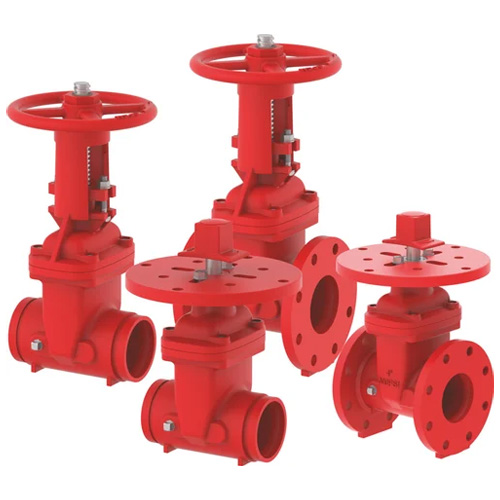
• Gate Valves – Ideal for on/off flow control in large pipelines
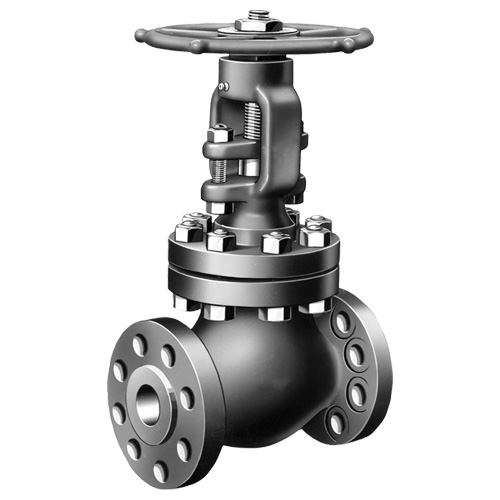
• Globe Valves – Designed for accurate flow regulation
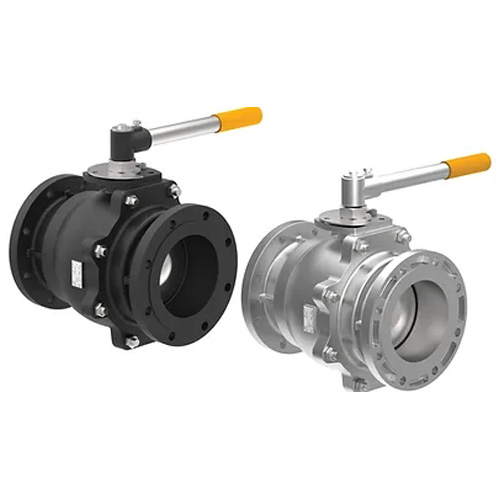
• Ball Valves – Quick shut-off with minimal pressure drop
• Butterfly Valves – Compact and efficient for large flow systems
• Check Valves – Prevent reverse flow and protect system integrity
• Pressure Reducing Valves – Maintain stable downstream pressure
• Control Valves – Automated flow and pressure control for advanced systems
Each valve is selected based on system requirements such as flow rate, pressure rating, temperature conditions, and application type.
Applications Across Industries
Our industrial valve solutions are widely used in:
• HVAC chilled water and hot water systems
• Water treatment and distribution networks
• Industrial processing plants
• Firefighting systems
• Oil & gas and utility infrastructure
• Commercial and residential building services
Key Benefits of Our Valve Solutions
• Accurate Flow Control: Ensures stable and efficient system operation
• High Durability: Manufactured with corrosion-resistant materials for long service life
• Leak-Proof Performance: Precision engineering minimizes fluid loss and system inefficiencies
• Energy Efficiency: Optimized flow control reduces pumping and operational costs
• System Safety: Maintains pressure balance and protects critical equipment
• Low Maintenance: Designed for reliability with minimal servicing requirements
Engineering, Selection & Support
Selecting the right valve is not just about size, it requires understanding system dynamics.
We provide:
• System-based valve selection and sizing
• Technical consultation for optimal performance
• On-site support, installation guidance, and commissioning
• Maintenance and replacement solutions
Our approach ensures that every valve solution integrates seamlessly into your system, delivering consistent performance and long-term reliability.
Why Choosing the Right Supplier Matters
Incorrect valve selection leads to:
- Pressure loss
- Flow instability
- Frequent maintenance
- Higher energy costs
With the right engineering support, you get:
- Stable system performance
- Reduced downtime
- Improved efficiency
- Longer equipment lifespan
Get the Right Valve Solution
Looking for a reliable industrial valves supplier in UAE?
Get engineered valve solutions tailored to your application, with expert support across Dubai, Sharjah, and Abu Dhabi. Contact our team for technical guidance, product selection, and project support.