
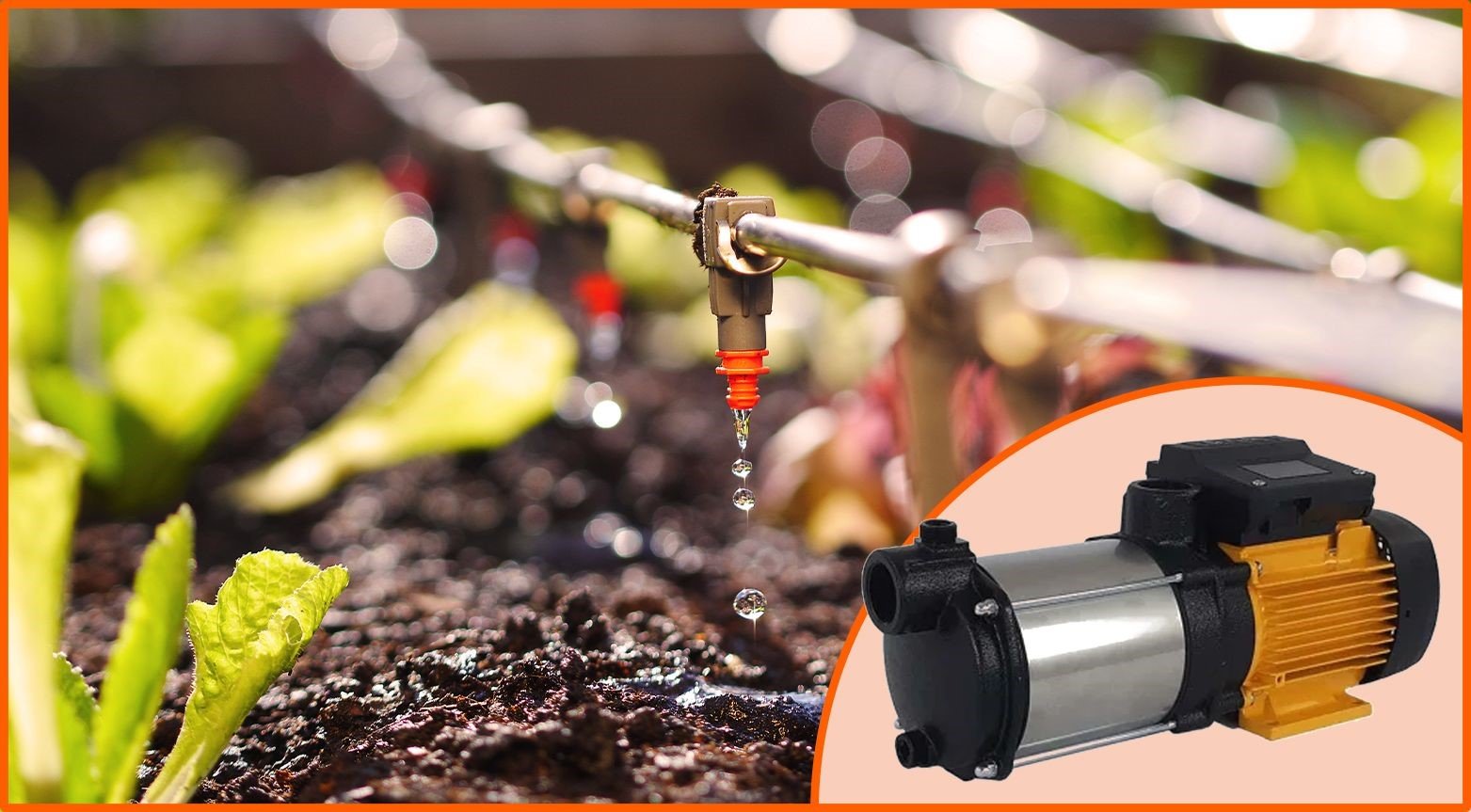
How to Set Up a Water Pump for Home and Garden
A properly installed water pump ensures efficient water supply for both home and garden use. Whether you need water for irrigation, household chores, or boosting water pressure, the right pump setup prevents damage, improves performance, and extends the life of your plumbing system. This guide covers pump selection, pipe sizing, priming, common issues, and seasonal maintenance to keep your water system reliable and safe.
Why Proper Pump Installation Matters
Incorrect installation or poorly maintained pumps can lead to problems such as:
-
Cavitation and air locks
-
Reduced water flow and pressure
-
Premature pump failure
-
Water wastage and high energy bills
By following a systematic installation and maintenance process, you ensure your pump operates efficiently and lasts longer.
1. Selecting the Right Water Pump
Choosing a pump depends on your water source, required flow rate, and intended use.
Types of Pumps
-
Centrifugal Pumps: Ideal for general water transfer and boosting household water pressure.
-
Submersible Pumps: Perfect for wells or deep water sources.
-
Jet Pumps: Suitable for shallow wells or surface water extraction.
-
Solar Pumps: Eco-friendly options for irrigation in off-grid areas.
Key Selection Factors
-
Required flow rate (liters per minute/gallons per hour)
-
Total head (vertical lift plus friction loss in pipes)
-
Power source (electric, solar, or fuel-based)
-
Durability and maintenance requirements
2. Sizing Pipes Correctly
Correct pipe sizing ensures optimal water flow and reduces strain on the pump.
-
Use larger diameter pipes for longer runs to reduce friction losses.
-
Avoid sharp bends or sudden reductions in pipe size.
-
Consider the pump’s recommended inlet and outlet sizes to prevent cavitation.
3. Priming the Pump
Priming is essential for pumps that are not self-priming.
-
Fill the pump casing and suction line with water before starting.
-
Open any air release valves to remove trapped air.
-
Check for leaks and ensure the suction line is fully submerged.
Proper priming prevents air locks, cavitation, and dry running, which can damage the pump.
4. Preventing Common Issues
Cavitation
-
Occurs when vapor bubbles form due to low suction pressure.
-
Prevent by ensuring the pump is at the correct level relative to the water source and using proper pipe sizes.
Air Locks
-
Air trapped in the system can stop water flow.
-
Prevent by proper priming and using air release valves.
Overheating
-
Avoid running the pump dry or at higher speeds than recommended.
5. Safety Checks and Seasonal Maintenance
Regular maintenance ensures long pump life and safe operation.
-
Inspect electrical connections and grounding.
-
Check bearings, seals, and impellers for wear.
-
Clean strainers and filters regularly.
-
Winterize outdoor pumps to prevent freezing damage.
-
Monitor flow rates and pressure to detect early issues.