

Most UAE villas store water in a tank and use a pump to supply the house. The right pump gives steady pressure at every shower and tap. The wrong one gives weak pressure, constant cycling, noise, or an early failure. This guide covers what to consider.
Step 1: Understand your system
Start by answering three questions:
- Where is your tank? Underground, at ground level, or on the roof.
- What does the pump need to do? Lift water to a roof tank (transfer), or supply the house directly at pressure (boosting), or both.
- How many bathrooms and outlets are used at once? This decides the flow.
Many villas have an underground tank, a transfer pump that fills a roof tank, and a small pressure pump on the roof to improve pressure in upper bathrooms.
Step 2: Estimate the flow
A rough guide for flow at a time:
- Shower: around 9 to 12 litres per minute
- Basin tap: around 6 litres per minute
- Kitchen sink: around 8 litres per minute
- Washing machine: around 8 to 10 litres per minute
Not everything runs together. For a typical 4 to 5 bedroom villa, two or three showers plus a kitchen tap at the same time is a reasonable peak, giving around 30 to 40 litres per minute.
Step 3: Estimate the head
Head is the pressure the pump must produce, expressed in metres. Add:
- The height from the pump to the highest outlet
- Pipe friction losses, often 3 to 6 m in a villa
- The pressure you want at the shower, typically 15 to 25 m (1.5 to 2.5 bar)
Example: pump at ground level, highest shower 7 m above it, 5 m friction, 20 m required pressure. Total head is about 32 m.
Step 4: Choose the pump type
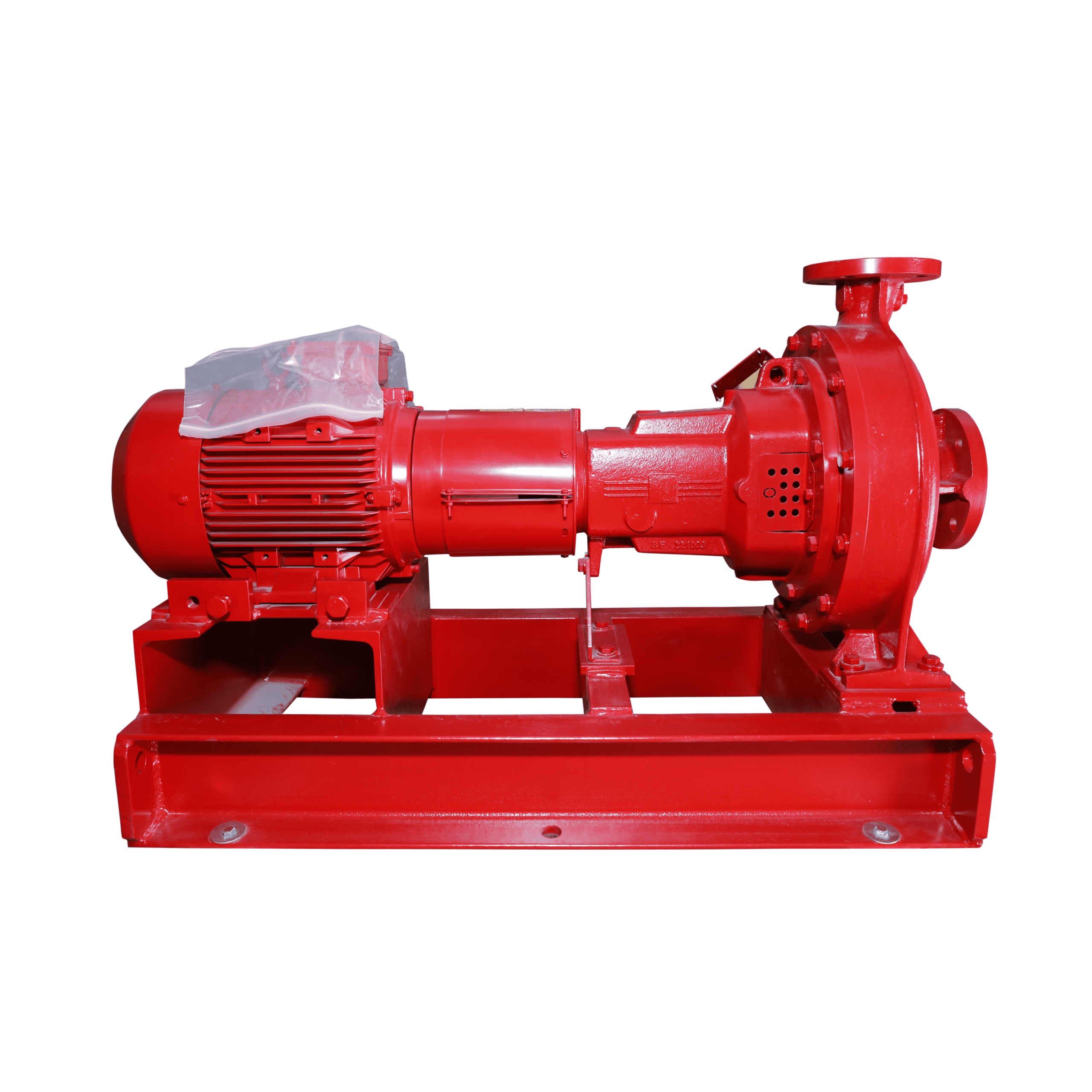
Single impeller centrifugal pump. Simple and economical for low heads and transfer duties.
Horizontal or vertical multistage pump. Produces higher pressure quietly and efficiently. The usual choice for boosting a villa.
Variable speed pump with integrated controller. Keeps pressure constant when several outlets run at once, starts softly, and is quieter. A good choice for larger villas.
Submersible pump. For drawing from a well or deep underground tank.
Step 5: Choose the controls
- Pressure switch and vessel. Economical, but pressure varies between cut-in and cut-out.
- Electronic pressure kit. Starts on demand, stops when flow stops, includes dry-run protection.
- Variable speed. Steady pressure and lower energy use.
Always include dry-run protection. Tanks run empty, and a dry pump fails quickly.
Step 6: Consider the UAE conditions
- Heat. Pumps on roofs or in outdoor enclosures can exceed 60°C in direct sun. Shade the pump and ventilate the enclosure. Electronics are especially sensitive to heat.
- Dust. Choose suitable enclosure ratings for motors and controllers.
- Water quality. Stainless steel pumps resist corrosion better than cast iron for domestic water.
- Noise. Pumps near bedrooms need anti-vibration mounts and flexible connectors.
Step 7: Single phase or three phase
Most villas have a three phase supply, but small pumps are usually single phase for simplicity. Larger pumps (above about 2 HP) are often three phase.
Common mistakes
- Buying by HP rather than by flow and head
- Choosing an oversized pump, which cycles constantly and may over-pressurise fittings
- Installing the pump above the tank without a foot valve, causing priming problems
- Leaving out dry-run protection
- Leaving the pump in full sun
Frequently asked questions
What size pump does a villa need?
Many 4 to 5 bedroom villas use a pump around 1 to 1.5 HP, but the correct size depends on your flow and head. See 1 HP vs 2 HP water pumps.
Why does my pump keep switching on and off?
Usually a waterlogged pressure vessel or a small leak. See pump short cycling.
Is a booster set better than a single pump?
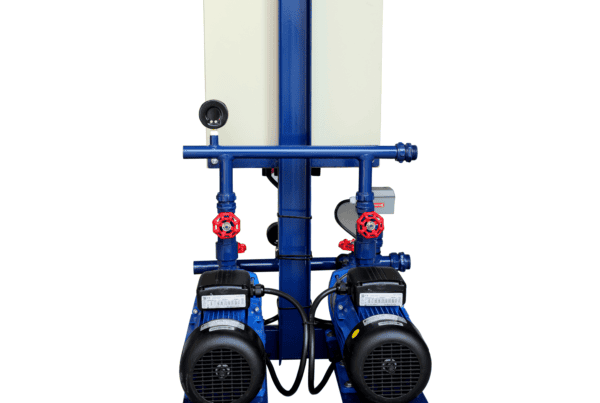
For large villas or compounds where water must never stop, a two-pump set gives backup. See booster pumps for villas.
Next step
See our pressure pumps for homes and villas or send your villa details to Lifeline for a recommendation.