Booster Pump Sets

About Booster Pump Sets

A booster pump set raises water pressure where the supply from the mains or a storage tank cannot reach every outlet at the required pressure. In UAE buildings this is the normal case: water is stored in an underground or rooftop tank, and a booster set delivers it to apartments, guest rooms, kitchens and plant at a steady pressure.

Lifeline supplies, assembles and commissions booster pump sets for residential towers, villas, hotels, hospitals, schools and commercial buildings across the UAE. We are the authorised UAE distributor of General Pumps (Spain).
How a booster pump set works

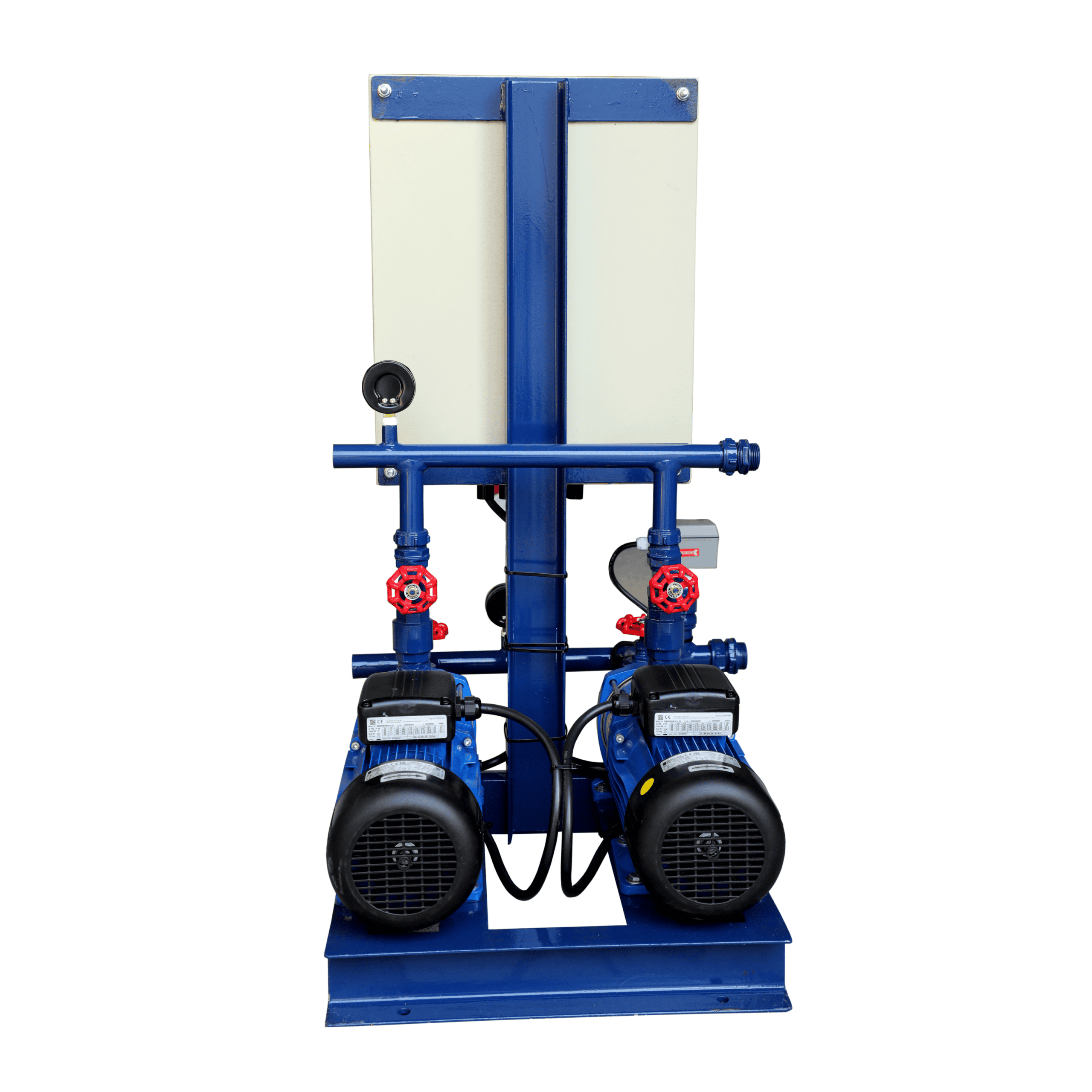
A booster set draws water from a tank and discharges it into the building’s distribution network. Pressure transmitters on the discharge header tell the controller how much water the building is using. The controller starts, stops or changes the speed of the pumps to hold the set pressure as demand rises and falls.

A typical set includes:

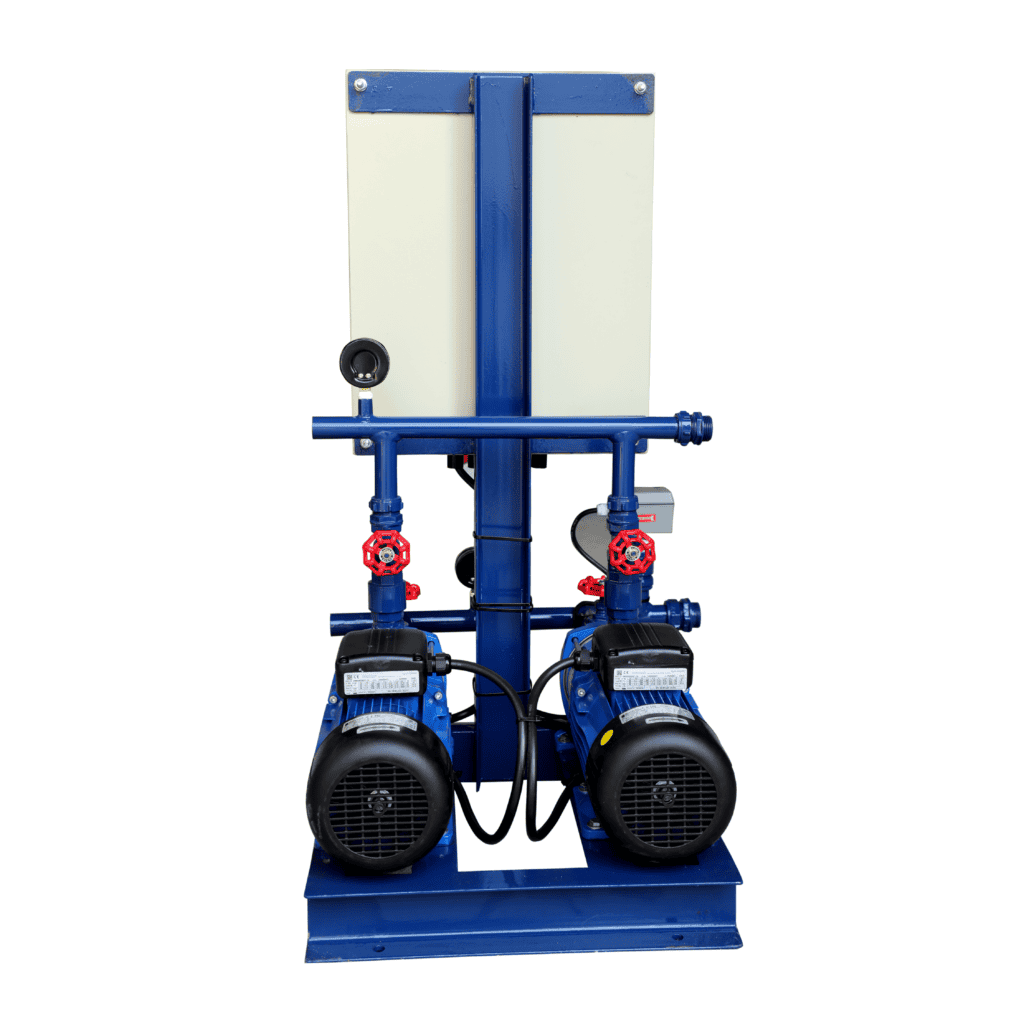
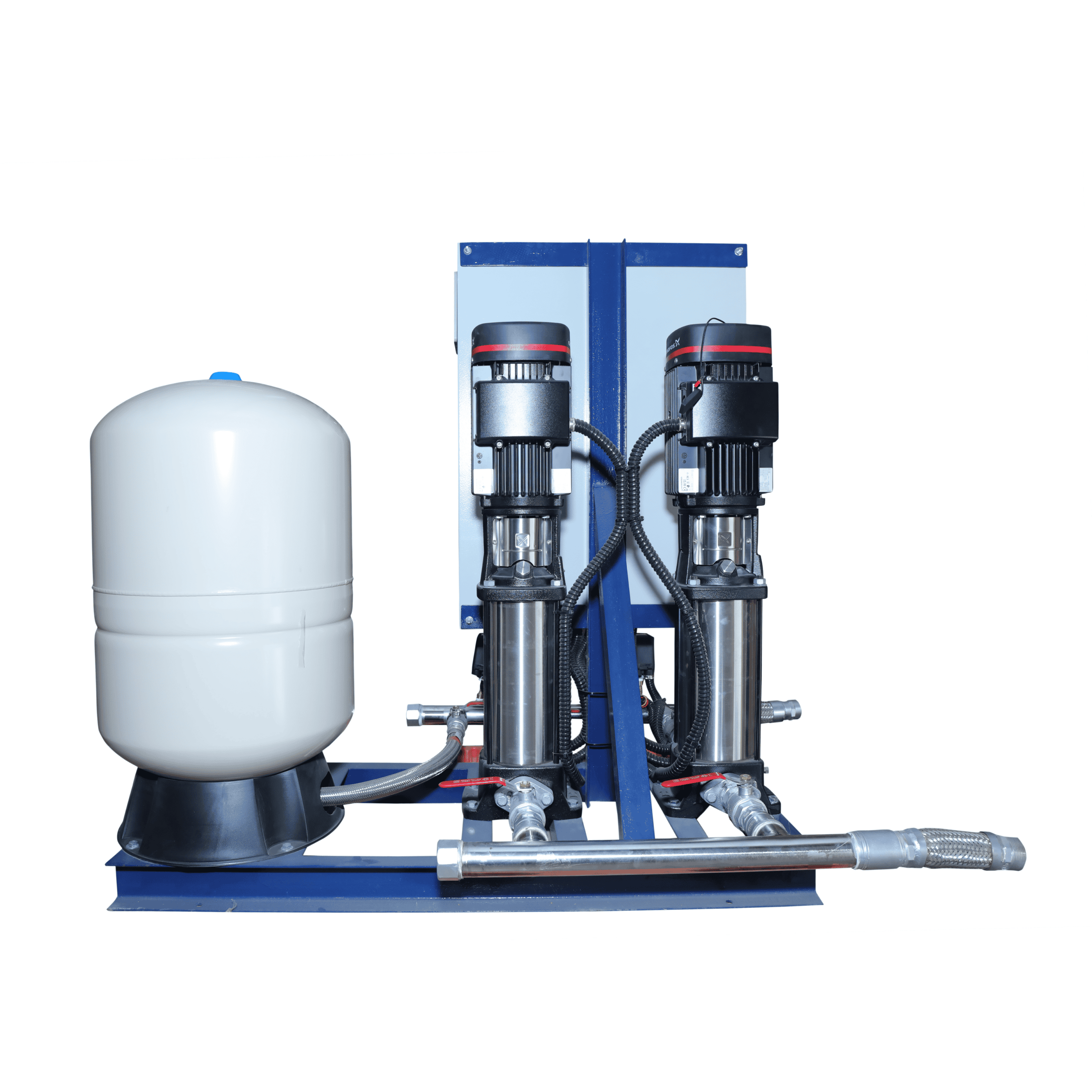
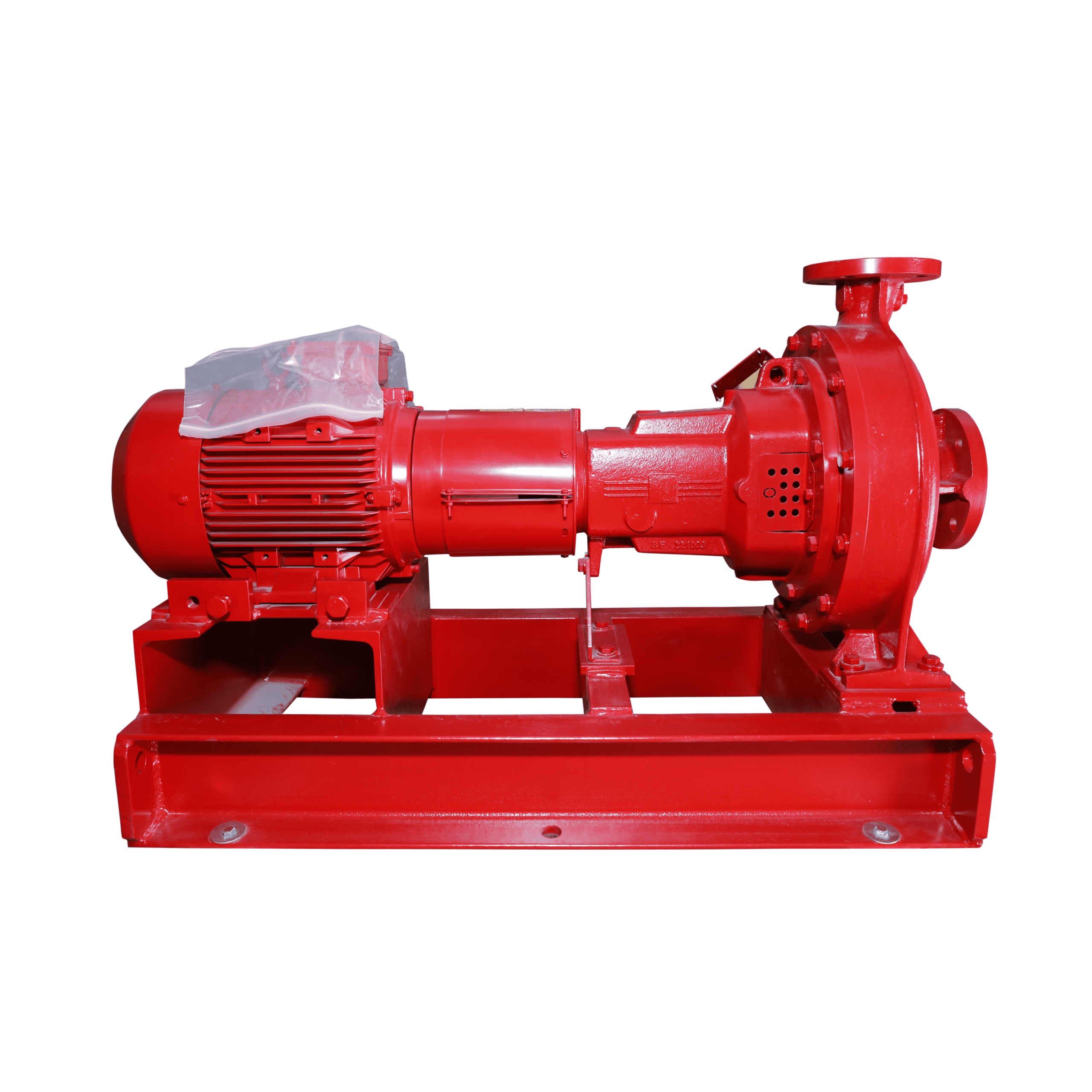
  • Two or more vertical or horizontal multistage pumps
  • A common suction and discharge manifold with isolation and non-return valves on each pump
  • A diaphragm pressure vessel to absorb small demand changes and reduce starts
  • A pressure transmitter and gauge on the discharge header
  • A control panel with variable frequency drives (VFDs) or fixed-speed starters
  • Dry-run protection, usually by a float switch or level sensor in the tank

Fixed speed or variable speed

Fixed-speed sets switch pumps on and off at set pressure points. They cost less to buy, but pressure varies between cut-in and cut-out and the pumps start more often.

Variable-speed sets use a VFD on each pump to match motor speed to demand. Pressure stays constant at the taps, starts are soft, and energy use drops sharply at part load, which is where most buildings run most of the day. For towers, hotels and hospitals, variable speed is the usual choice.

Serving the Construction Industry with Trust and Expertise for Over 20 Years.

Duty, standby and redundancy

Most sets are arranged as duty/standby (one pump runs, one waits) or duty/assist/standby (two pumps share peak load, a third waits). The controller rotates the duty pump so that running hours are shared. If a pump trips, the standby pump starts automatically and the panel raises an alarm.

Hospitals and hotels often specify an extra standby pump and a BMS connection so that faults are seen immediately by the facilities team.

Sizing a booster pump set

The two numbers that define a booster set are flow and head.

  • Flow is the peak demand of the building, normally calculated from fixture units or loading units under the relevant plumbing code and the authority’s requirements.
  • Head is the pressure the set must produce: the static height from the tank to the highest outlet, plus friction losses in the pipework, plus the residual pressure required at the furthest outlet.

For a tower, the system is often split into pressure zones so that lower floors are not over-pressurised. This can mean separate booster sets per zone, or one set with pressure reducing valves on lower floors.

We size sets from your drawings and schedules and send a selection with pump curves, motor ratings and panel details. See our hydraulic calculations service for details.

Where booster pump sets are used

Designed for UAE conditions

Pump rooms in the UAE can exceed 45°C in summer. We select motors, drives and panels for high ambient temperatures, specify panel ventilation or cooling where needed, and use stainless steel wetted parts for potable water service. Sets are factory assembled and pressure tested before delivery, which shortens installation time on site.

Supply, installation and commissioning

Lifeline can supply the set alone or provide installation, testing and commissioning, and an annual maintenance contract. Commissioning includes setting pressure points, checking rotation and alarms, and recording running data for handover.

Frequently Asked Questions

Common questions about booster pump sets.

A transfer pump moves water from one tank to another, for example from an underground tank to a roof tank. A booster pump raises pressure in the distribution network so outlets receive water at a usable pressure.

Most buildings use two pumps (duty/standby) or three pumps (duty/assist/standby). The number depends on peak flow, the turndown required at low demand, and the level of redundancy the project specifies.

For most commercial and multi-storey residential buildings, yes. A VFD keeps pressure steady and reduces energy use at part load. Small villa systems can use a fixed-speed pump with a pressure vessel and switch.

It depends on the building height, pipe losses and the residual pressure required at the furthest outlet. We calculate this for each project rather than using a standard figure.

Yes. Control panels can provide volt-free contacts for run and fault signals, or Modbus communication for full monitoring.

Get a booster pump selection

Send us your drawings, number of floors and fixture schedule, and our engineers will propose a booster pump set with curves and panel details. Contact Lifeline.

Related reading: How to size a booster pump set for a UAE building · What is a booster pump and how does it work? · Booster pump price in the UAE

Get A Free Quote

Lifeline delivers reliable and energy-efficient water management and solar heating solutions customized for residential, commercial, and industrial projects across the UAE.

    Blog & Latest News

    Pressure Switch for Water Pumps: Settings and TroubleshootingPumping Systems

    Pressure Switch for Water Pumps: Settings and Troubleshooting

    How a water pump pressure switch works, how to set cut-in and cut-out pressures and…
    How Long Does a Water Pump Last?Pumping Systems

    How Long Does a Water Pump Last?

    Typical service life of building water pumps, what shortens it in UAE conditions, and the…
    Pump Cavitation: Causes, Signs and PreventionPumping Systems

    Pump Cavitation: Causes, Signs and Prevention

    What pump cavitation is, how to recognise it, what causes it in building and HVAC…